
Fake Agent UK
Fake Agent UK – The Best Adult entertainment Videos HD
Turning casting calls into unforgettable moments.
Fake Agent UK – Behind the Casting Call That Became a Brand
Behind every door, a new story unfolds.
The internet is full of clever deceptions, and few have turned that art into a business model as successfully as Fake Agent UK. At first glance, it presents itself as something simple — a fictional “casting office” where aspiring talents come for an interview. But that simplicity hides a sophisticated production system and a marketing engine fine-tuned to feed a particular kind of viewer curiosity: the illusion of watching something real. Behind the humor, the British accent, and the tongue-in-cheek title lies one of the most recognizable templates in the adult industry — a well-oiled blend of storytelling, branding, and improvisation disguised as chance.
The irony is that Fake Agent UK doesn’t fake much beyond its premise. The studio is very real, the business is legitimate, and the formula has been refined into a science. The “agent” is an actor playing a role; the “casting” is a narrative device; and the “audition” is simply the hook. It’s not a scam, nor a real recruitment — it’s theatre with better lighting. Like its parent projects and spin-offs, the site builds its identity around the pretense of discovery. The format never changes much, and it doesn’t have to. The audience isn’t looking for variety; they’re looking for familiarity dressed up as authenticity.
The Blueprint Behind the Curtain
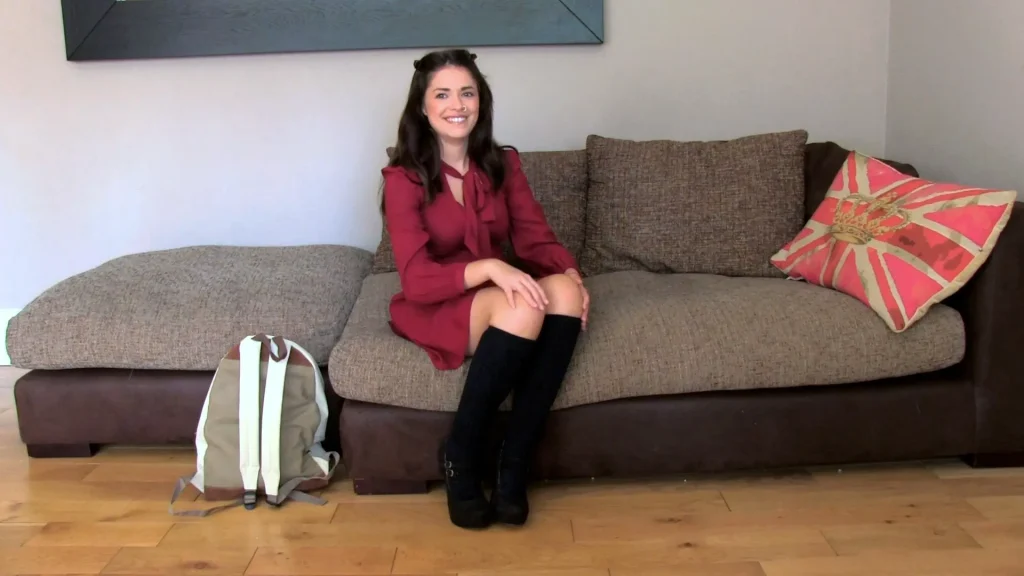
To understand why Fake Agent UK works, it’s worth examining its structure. At its core, it’s part of a casting-style franchise, a sub-genre of adult entertainment that mimics real-world recruitment or interview settings. The visual language is consistent: one camera, one “agent,” one newcomer, and a tone that suggests casual spontaneity. But the process is anything but spontaneous. Each scene follows a set of production rules designed for efficiency and continuity — a controlled version of chaos.
In practice, the “agent” acts as both character and brand ambassador. His exaggerated confidence and rehearsed banter give the production a pseudo-documentary feel, somewhere between mockumentary and marketing campaign. The dialogue may sound improvised, but it’s a form of performance scripting — structured enough to ensure pacing, yet loose enough to look accidental. What viewers interpret as realism is actually a blend of directorial control and post-production precision.
From a technical perspective, the operation is lean but deliberate. Shooting in small spaces — a rented office, a studio apartment, or a car — cuts costs and strengthens the illusion of an impromptu setting. The same lighting setup and camera positioning are used repeatedly to maintain brand consistency. What changes is the talent, not the frame. That repeatability is what turns Fake Agent UK from a one-off idea into a scalable content engine.
The Business of Being “Fake”
The genius of Fake Agent UK lies not in its concept, but in how it monetizes that concept. It sits comfortably inside a larger network of related brands — each one sharing footage, themes, and sometimes even characters — while maintaining its own regional flavor. The “UK” in the title isn’t just geography; it’s marketing shorthand for attitude. The humor, the slang, the casual tone — all tailored to sell a particular cultural aesthetic. It’s British irony meeting adult commercialism, and oddly enough, it works.
Financially, these productions depend on a mix of subscription platforms, affiliate marketing, and licensing deals. Individual scenes are sold or repackaged across multiple domains, ensuring maximum ROI on minimal production investment. The marketing strategy leans heavily on SEO and content syndication: recognizable titles, consistent imagery, and predictable patterns that make search algorithms happy. What looks repetitive to a casual observer is actually optimization in disguise.
In a way, Fake Agent UK functions less like a website and more like a content franchise. The familiar structure — one location, one narrative setup, one recognizable face — turns into a digital logo. It’s not that different from how sitcoms build emotional comfort through predictability. The audience keeps returning not for surprise, but for reliability. The irony is delicious: a brand built on being “fake” earns loyalty by being consistent.
The Illusion of Authenticity
The enduring appeal of Fake Agent UK rests on a paradox: viewers know it’s fiction, yet they engage with it as if it’s real. This isn’t naivety — it’s suspension of disbelief, willingly maintained. The site trades on the fantasy of access, of seeing what usually happens off-camera. That’s what the casting setup delivers — the feeling of being an insider, of witnessing the “unscripted.” Of course, the script is there all along, but the camera doesn’t want you to notice.
This trick — the careful balancing act between realism and roleplay — is what defines the brand. The site’s humor often leans into its own absurdity, breaking the fourth wall just enough to remind viewers that everyone is in on the joke. That self-awareness makes Fake Agent UK stand out. It doesn’t claim to be authentic; it performs authenticity. And that difference, subtle as it is, turns a potentially throwaway concept into a long-running digital identity.
In the end, the Fake Agent UK phenomenon is less about explicit content and more about performance psychology. It’s a mirror held up to the internet’s obsession with what’s “real.” The cameras roll, the banter flows, and the illusion repeats itself endlessly. But the trick never gets old — not because it fools anyone, but because it reminds us how much we like being fooled.